
Delayed, Underpaid, and Buried in Red Tape: California Says State Farm Broke the Law Handling L.A. Wildfire Claims
By Adam Kocaj · May 7, 2026
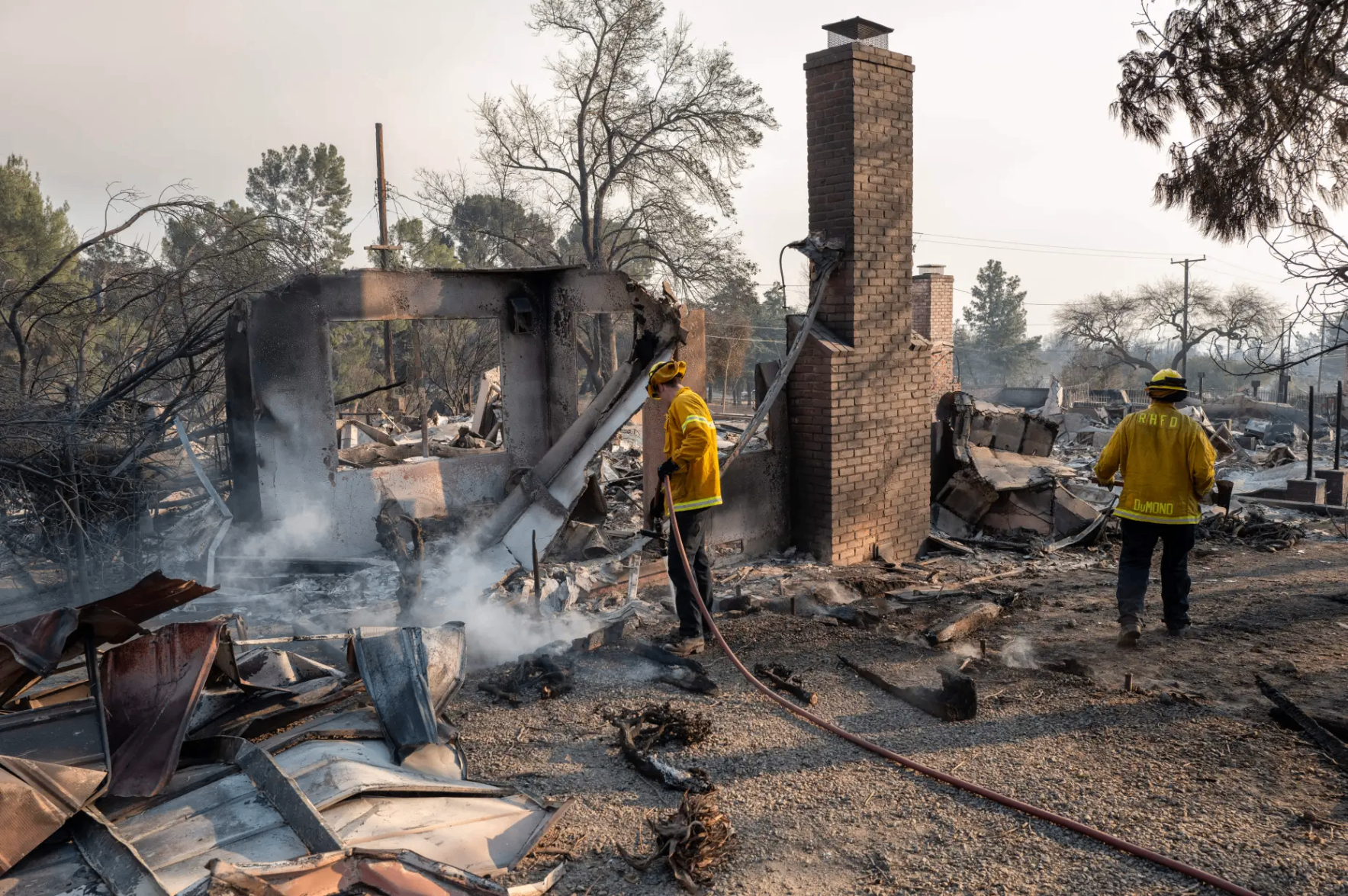
If you lost your home in the Palisades or Eaton fires and felt like your insurance company was stalling, lowballing you, or burying you under paperwork — you were not imagining it. This week, the State of California confirmed what so many wildfire survivors already knew.
What the State Found
On May 4, the California Department of Insurance announced the results of an investigation it opened last June into State Farm's handling of claims arising from the January 2025 Los Angeles wildfires — fires that killed 31 people and destroyed more than 16,000 structures.
The findings are striking. Out of a random sample of just 220 claims, regulators identified roughly 400 violations of state law, with violations in roughly half of the files reviewed. According to Insurance Commissioner Ricardo Lara, State Farm "delayed, underpaid, and buried policyholders in red tape at the worst moment of their lives."
The specific misconduct alleged by the Department reads like a checklist of every complaint we hear from frustrated California policyholders pursuing bad faith claims:
- Slow or inadequate investigation of claims — including one case in which the company waited nearly three months to even begin investigating.
- Unreasonably low settlement offers that did not reflect the true scope of loss on wildfire property damage claims.
- Delayed payments — including at least one case where State Farm internally acknowledged a payment was due, then sat on it for months.
- Multiple adjusters rotating through a single file, causing confusion and delay (in one case, twelve different adjusters were assigned within four months).
- Improper denial of testing for smoke and ash contamination, leaving families to wonder whether their homes were safe.
- Failures to send required letters and notices, leaving policyholders in the dark about deadlines and rights.
State Farm — which wrote roughly one in three residential claims after the fires — could face millions in penalties and a temporary suspension of its California license. The company has pushed back, calling the State's action "primarily administrative and procedural." Tell that to the family still living in a rental nine months after the fire.
What California Law Actually Requires of an Insurance Company
Insurance is not an ordinary contract. When you pay your premiums year after year, the company on the other side of that policy takes on more than a promise to cut a check. California law imposes a duty of honesty, good faith, and fair dealing on every insurer doing business in this state — the foundation of every insurance bad faith claim we bring on behalf of policyholders.
California Insurance Code § 790.03, the Unfair Insurance Practices Act, lists sixteen specific claims-handling practices that are flatly prohibited. Among them:
- Misrepresenting facts or policy provisions relating to your coverage.
- Failing to acknowledge and respond to claim communications reasonably promptly.
- Failing to adopt and follow reasonable standards for the prompt investigation of claims.
- Refusing to pay a claim without conducting a reasonable investigation.
- Failing to attempt in good faith to reach a prompt, fair, and equitable settlement once liability is reasonably clear.
- Compelling policyholders to file lawsuits to recover amounts they are owed by offering substantially less than what is ultimately recovered.
- Failing to provide a prompt, written explanation of the reasons for a denial or compromise offer.
California's Fair Claims Settlement Practices Regulations put hard timelines around those duties. An insurer must acknowledge a claim within 15 calendar days, accept or deny it within 40 days of receiving proof of loss, and provide written status updates every 30 days when more time is needed. When a company blows past those deadlines without explanation, it leaves a paper trail — and that paper trail can support both a regulatory complaint and a private lawsuit.
The duty of good faith and fair dealing is also implied in every insurance policy issued in California. When an insurer unreasonably denies, delays, or underpays a valid claim, it does not just breach the policy — it breaks a separate promise that California law has read into the contract for decades. That is the foundation of a "bad faith" claim, and it is how policyholders actually recover damages, including the unpaid benefits, consequential damages, attorneys' fees under Brandt v. Superior Court, and in appropriate cases, punitive damages.
You Are Not Alone — and You Are Not Powerless
The Insurance Department's announcement is a vindication for thousands of fire survivors who spent months being told their claims were "in process" while they slept in hotel rooms, in friends' guest rooms, or in trailers parked on lots that used to be home. But a state enforcement action is not the same as making your claim whole. The administrative process plays out on its own timeline. Your bills do not.
If a fine is eventually paid, it goes to the State. It does not rebuild your house. It does not pay for the smoke testing the company refused to authorize. It does not cover the rent you have been paying out of pocket. And the State's case is limited to its sample of 220 claims — meaning thousands of other mishandled claims may never be addressed unless individual policyholders speak up.
That is where private legal action comes in.
How Kocaj Law Can Help
At Kocaj Law, we represent policyholders — not insurance companies. We have seen every variation of the playbook that the Department of Insurance just exposed: the unexplained delays, the convenient "we never received it" responses, the lowball estimates that bear no resemblance to the cost of actually rebuilding in California, the parade of adjusters who never seem to know what the last one promised.
If your insurance company has:
- Delayed investigating or paying your claim,
- Underpaid what is rightfully owed under your property damage policy,
- Buried you in red tape, paperwork, or shifting requirements,
- Denied smoke, ash, or contamination testing,
- Or simply gone silent when you need answers most —
you may have grounds to hold them accountable under California's insurance bad faith laws, regardless of whether your insurer is named in the State's enforcement action.
Call Kocaj Law today for a confidential consultation. Bring your policy, your correspondence, and your story. We will tell you honestly whether you have a claim worth pursuing — and if you do, we will fight to get you what your insurance company already promised when it cashed your premium checks.
Your insurance company owes you honesty, good faith, and fair dealing. If you did not get it, we are ready to help.
Related Practice Areas
- Insurance Bad Faith — Holding insurers accountable when they delay, deny, or lowball valid California claims.
- Property Damage Claims — Wildfire, fire, smoke, and water losses underpaid by your carrier.
- Contact Kocaj Law — Free, confidential consultation for California wildfire policyholders.
Source story
MSN News: Read the original article →
Disclaimer: This commentary is provided for informational purposes only and does not constitute legal advice or commentary on any specific pending case. No attorney-client relationship is formed by reading this content. Past results do not guarantee future outcomes.
Free consultation
If this headline feels personal, talk with Kocaj Law before evidence disappears.
Serious freeway crashes move quickly from emergency response to insurance defense. Our firm can help preserve video, identify every responsible party, and explain your options with no upfront fee.